UAV Operations & Defence

Secure, Resilient Control for Distributed Drone Fleets.

RemoteGenius provides secure, deployment-flexible control and media infrastructure for unmanned aerial vehicle fleets and associated edge systems.

Designed for environments where network reliability cannot be assumed and operational failure is unacceptable.

  • Continuous command and visibility over distributed drone assets
  • Operation across denied, degraded, or intermittent networks
  • Standardized control across multi-vendor hardware environments
  • Operational continuity independent of centralized cloud systems
Global Layer Identity & Coordination
Cluster Layer Execution Environment
Device Layer Edge Agents / Bridges
0 inbound ports
0 central dependencies
0 vendor lock-in

Secure Control Infrastructure for Distributed Drone Fleets

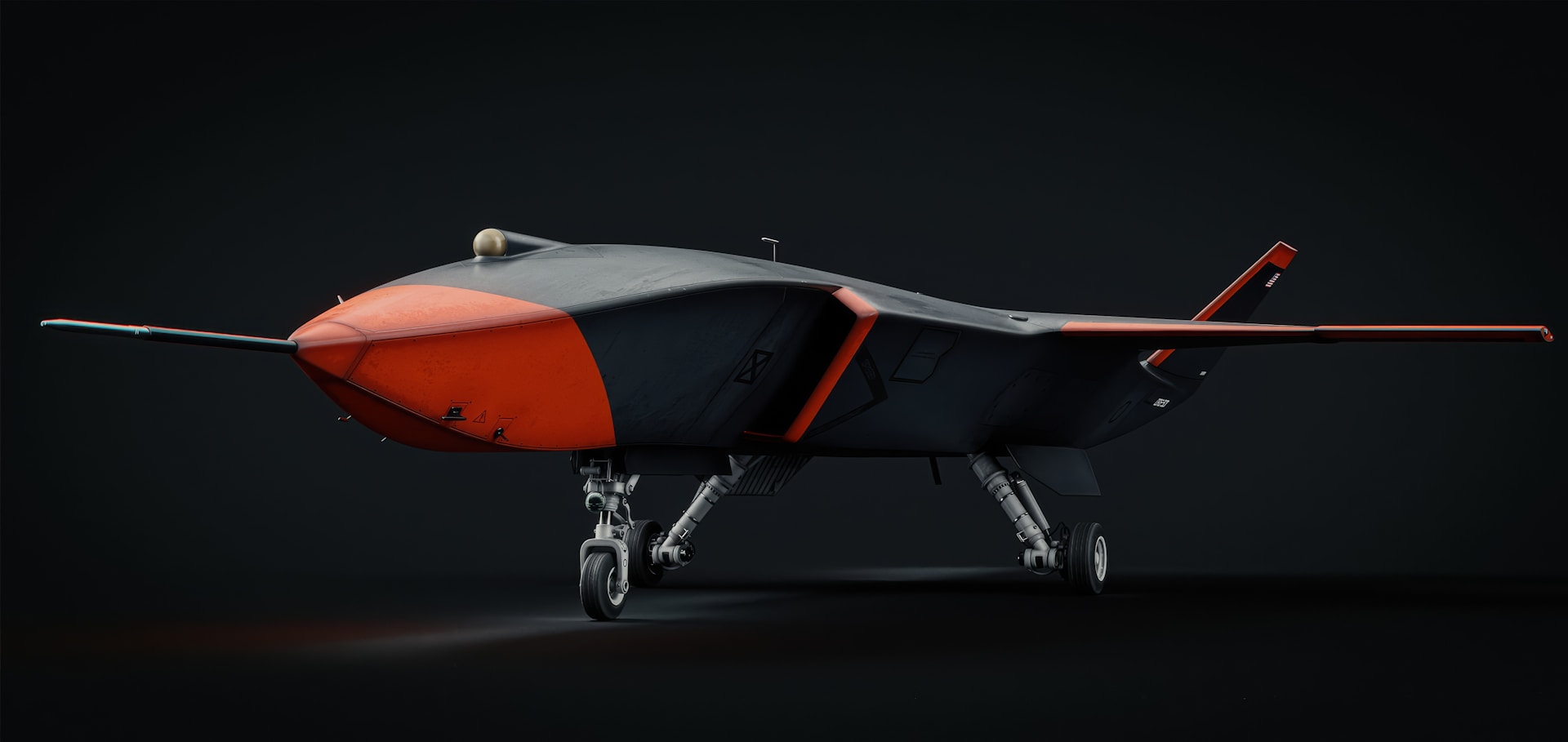
UAV fleet operations in a command environment

RemoteGenius provides a secure, deployment-flexible control and media infrastructure for UAV fleets and associated edge systems. It enables defence organizations to:

  • Maintain continuous command and visibility over distributed drone assets
  • Operate across denied, degraded, or intermittent networks
  • Standardize control across multi-vendor and legacy hardware environments
  • Ensure operational continuity independent of centralized cloud systems

The platform is designed for environments where network reliability cannot be assumed and operational failure is unacceptable.

Modern UAV Deployments Operate Under Hard Constraints

  • Connectivity limited to cellular, tactical radio, or contested RF environments
  • Devices located behind non-permissive network boundaries — CGNAT, firewalled infrastructure
  • Mixed fleets composed of different vendors, firmware versions, and integration levels
  • Real-time video access and routing required under constrained bandwidth
  • Strict access control, auditability, and data sovereignty must be enforced

Traditional approaches — VPN-based access, vendor tooling, centralized cloud — introduce single points of failure and operational friction where mission failure is unacceptable.

A Unified Control Plane Across UAV and Edge Assets

01 · Reachability

Assured Reachability Across Restricted Networks

  • Outbound-only device connectivity — no inbound exposure required
  • Operates across CGNAT, mobile networks, and controlled infrastructure
  • Eliminates dependency on VPNs or network reconfiguration
Operational impact

Persistent access to field assets regardless of network ownership or topology.

02 · Video

Real-Time Video Access and Distribution

  • Secure, low-latency live preview accessible via browser
  • Multi-destination stream routing to command centres, storage, and partner systems
  • No direct exposure of device endpoints to public networks
Operational impact

Reliable situational awareness without expanding the attack surface.

03 · Unified Control

Unified Control Across Heterogeneous Fleets

  • Single API and interface for multi-vendor UAVs, encoders, and cameras
  • Canonical device model representing real-time state and configuration
  • Adapter-based architecture for vendor-specific translation
Operational impact

Reduced integration overhead and consistent procedures across platforms.

04 · Local-First

Distributed, Local-First Architecture

  • Regional or on-premise clusters manage devices directly
  • Continued operation during cloud outages or disconnection scenarios
  • No dependency on a central control plane for real-time operations
Operational impact

Sustained mission capability under degraded or denied connectivity.

05 · Integration

Integration of Legacy and Non-Integrated Systems

  • Bridge devices enable control of closed or non-integrated hardware
  • No requirement to replace existing UAV or video infrastructure
  • Gradual modernization without operational disruption
Operational impact

Preservation of existing investments while enabling centralized control.

06 · Security

Secure-by-Design Architecture

  • No inbound connectivity to field devices
  • Mutual authentication across all communication channels
  • Per-device identity and credential isolation
  • Comprehensive audit logging of all actions and access events
Operational impact

Reduced attack surface and alignment with defence security requirements.

A Three-Layer System with Defined Failure Boundaries

RemoteGenius separates identity and coordination from execution and device communication. Each layer has defined responsibilities, so a failure in one layer does not cascade into another.

01 Control & Identity

Global Layer

  • User identity, access control, and coordination
  • Does not participate in device communication paths
02 Execution Environment

Cluster Layer

  • Regional or on-premise deployment
  • Manages devices, telemetry, and media workflows
  • Operates independently of global connectivity
03 Edge Agents / Bridges

Device Layer

  • Runs on UAVs or adjacent hardware
  • Maintains secure outbound communication to the cluster

Aligned with Defence Operational Requirements

The platform supports multiple deployment configurations to match classification, infrastructure constraints, and sovereignty requirements.

01

Air-Gapped

Fully isolated from external networks. No egress, no update channel, no telemetry leaves the perimeter.

  • Fully isolated environment with no external connectivity
  • Local identity, RBAC, and audit systems
  • Manual synchronization where required
02

On-Premise

Runs entirely within customer-controlled infrastructure. No inbound exposure required to operate or update.

  • Installed within customer-controlled infrastructure
  • No inbound access required for operation or updates
  • Full data sovereignty retained by the operator
03

Hybrid

Connected and isolated clusters operate side by side, enabling coordination across classification boundaries.

  • Combination of connected and isolated clusters
  • Coordination across classified and non-classified environments
  • Classification boundaries preserved per cluster
04

Cloud-Connected

Centralized visibility across multiple regions. Suitable for non-sensitive or mixed-use operations.

  • Centralized visibility across regions
  • Rapid onboarding with minimal infrastructure
  • Suitable for non-sensitive or mixed-use operations

From Forward Positions to Multi-National Command

01

Distributed FPV Operations

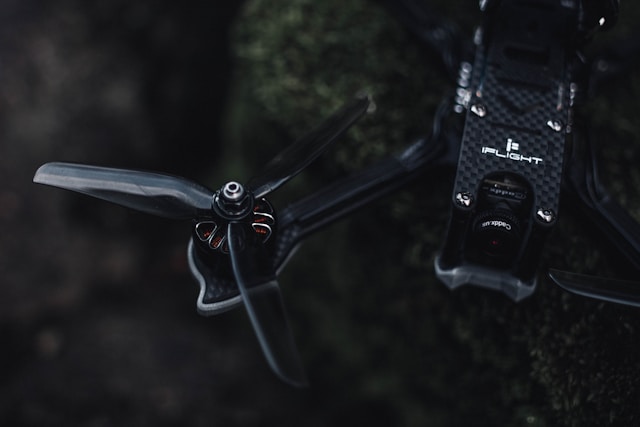
Control and monitor large numbers of FPV drones with real-time telemetry and video under constrained connectivity.

02

ISR and Persistent Surveillance

Maintain continuous access to video feeds and device status across geographically distributed deployments.

03

Mobile Tactical Units

Operate encoders and relay systems in vehicles or forward positions without loss of control during movement.

04

Multi-Level Command Structures

Implement role-based access across units, commands, and coalition partners with strict separation of privileges.

FPV drone operating in a field environment

Aligned with Defence-Grade Requirements

Role-Based Access Control at organization and cluster scope
Multi-factor authentication support
Full audit trail with actor, action, and outcome
Credential rotation and revocation mechanisms
Tenant isolation in shared environments

Designed to align with defence-grade security and audit requirements without reliance on external infrastructure.

What Sets RemoteGenius Apart for Defence

  • Operates in denied and degraded networks without infrastructure changes
  • Eliminates inbound attack surface on UAV and edge devices
  • Unifies heterogeneous fleets under a single control model
  • Maintains operational continuity during outages and disconnections
  • Supports sovereign and air-gapped deployments without reduced capability

Control, Visibility, and Integrity — At Scale

RemoteGenius provides a resilient, secure, and deployment-flexible control infrastructure for UAV operations at scale.

It enables defence organizations to retain control, visibility, and operational integrity across distributed assets — regardless of network conditions or infrastructure constraints.

Evaluate RemoteGenius in Your Operational Context

Assess integration into existing UAV operations without requiring changes to hardware, networks, or mission workflows.