Ranked Market Fit Matrix
1. Broadcast, Live Events & AV Contribution
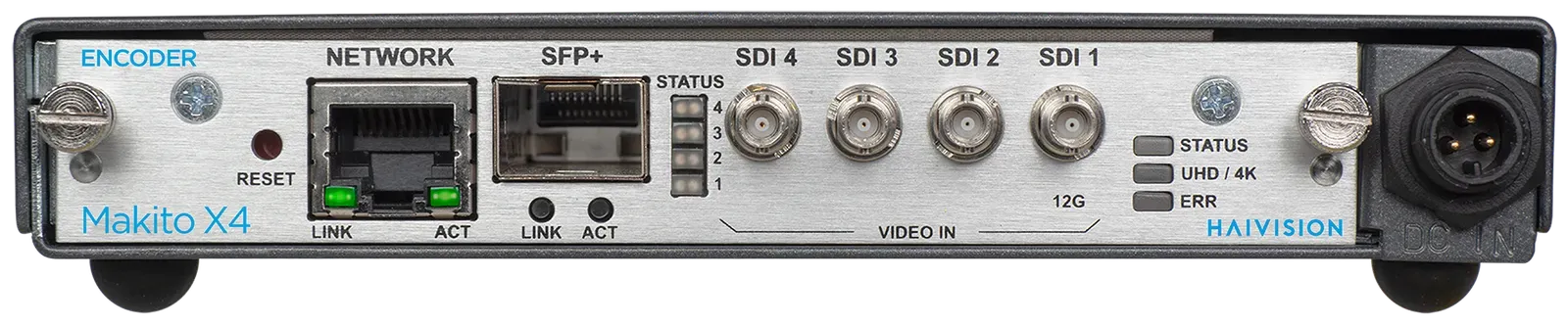
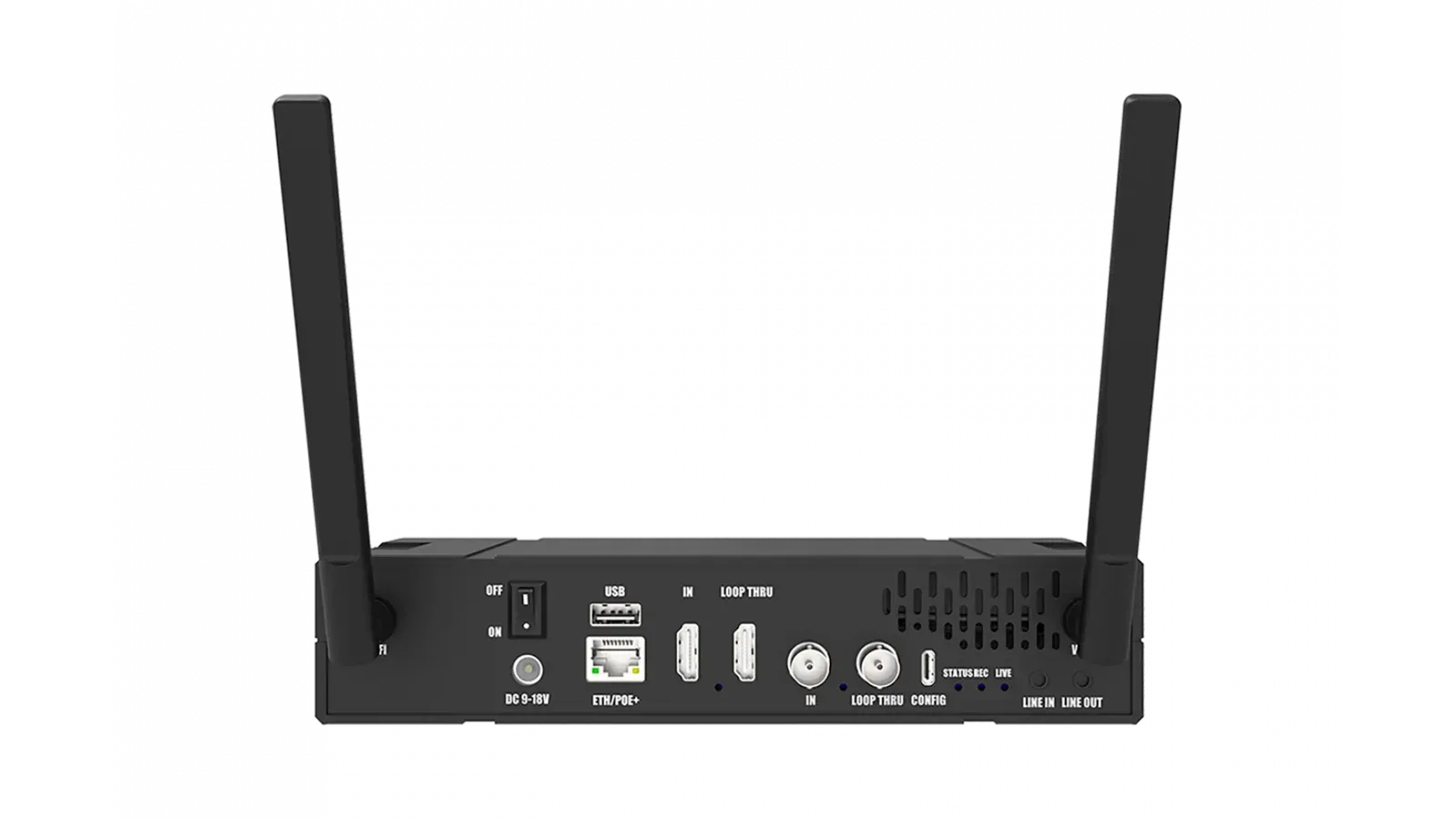
Hardware: Encoders, decoders, IP gateways, bonded cellular rigs, production switchers. Flagship Devices: Haivision Makito X4, Kiloview E2, Magewell Ultra Encode AIO. Technical Match: 100% Ethernet-native. 100% local HTTP GUI. Dense HTTP/REST APIs. Operational Churn: Extreme. Stream keys, bitrates, protocols (SRT/RTMP/NDI), and egress destinations shift per event, daily, or hourly.
Why RG Wins: Live production is the only industry on this list where a configuration error has a hard, public deadline: airtime. Production teams deploy encoders into venues whose networks they will never administer — arenas, hotels, government buildings, foreign broadcast centers — where requesting an inbound firewall rule dies in a ticket queue days after the event has ended. RG's outbound-only reverse tunnel makes every encoder reachable the moment it gets any uplink, including bonded cellular behind CGNAT. From there, the platform attacks the two dominant failure classes directly: pre-flight readiness checks verify stream keys, codec, bitrate, and destination credentials before going live, and MediaMTX-based WHEP preview gives the operations desk sub-second visual confirmation of the actual signal — over the same tunnel the device already holds, with zero extra device-side setup. Route-based streaming means a producer redirects a source to a new destination mid-event without touching the encoder itself. The alternative today is a runner with a laptop and a crossover cable; RG replaces the runner.
2. Digital Out-Of-Home (DOOH), Interactive Kiosks & Smart Signage
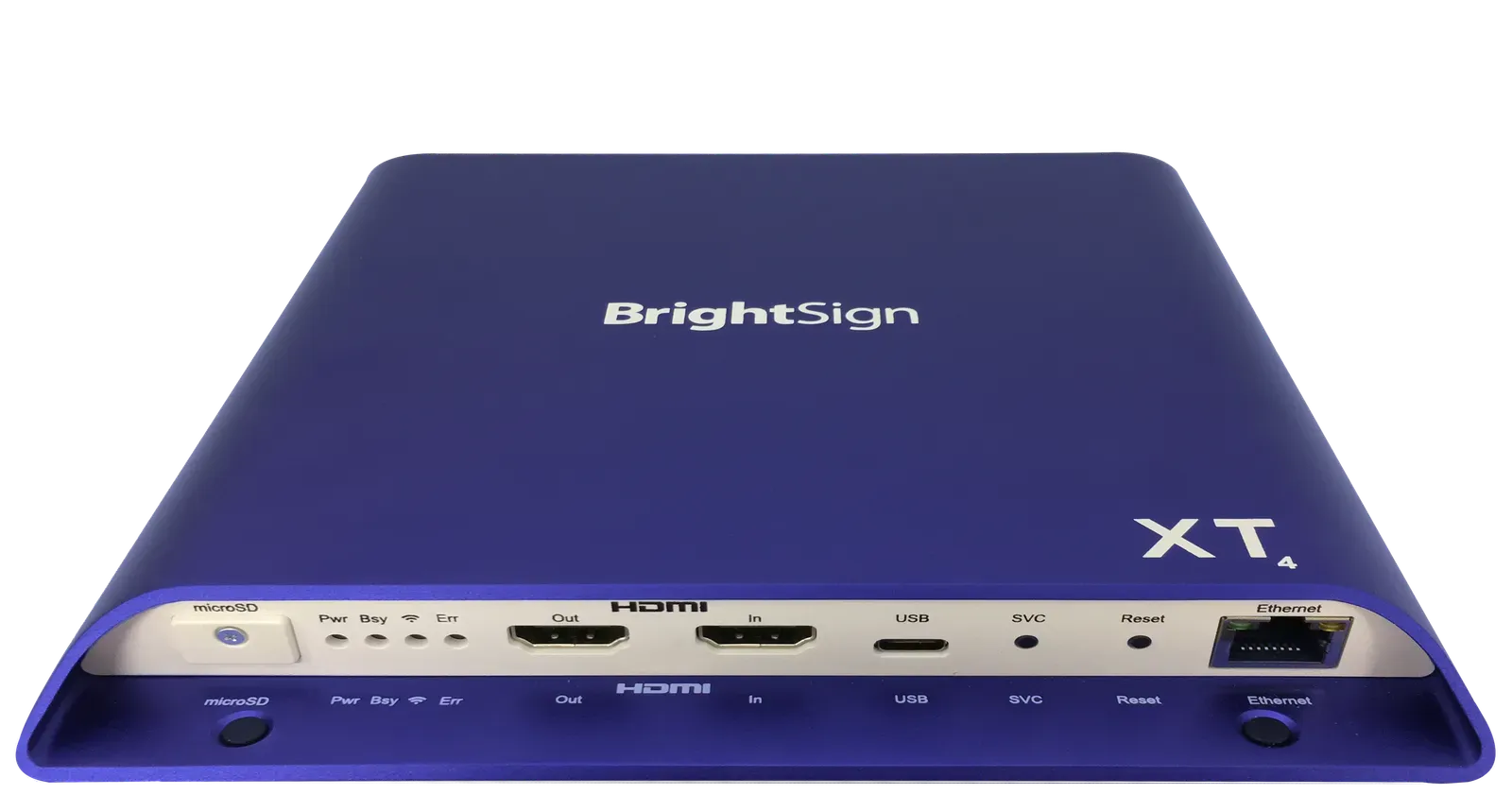
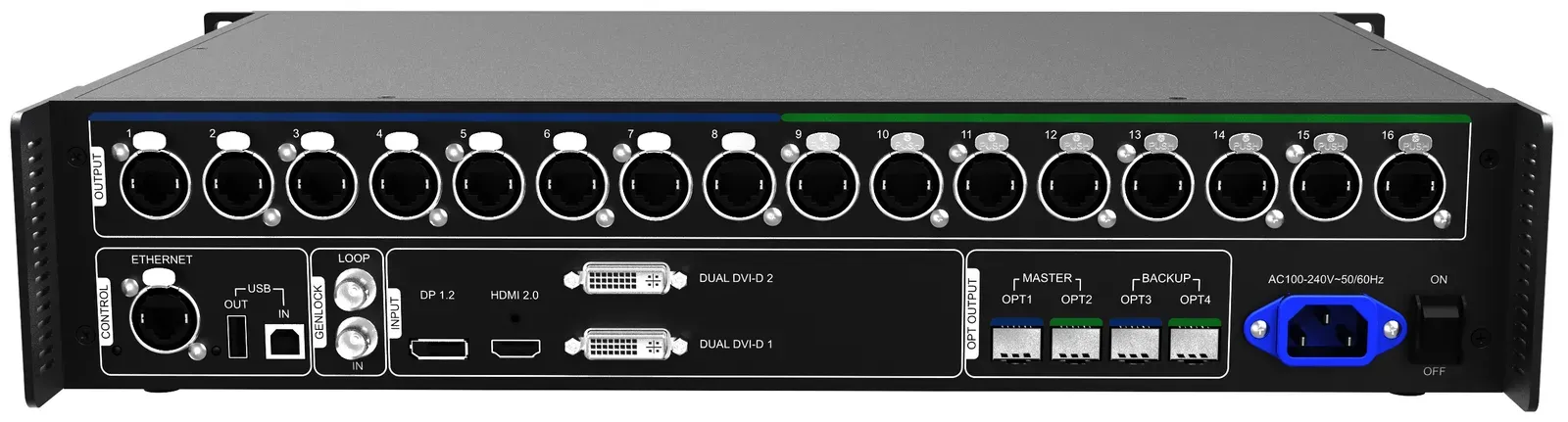
Hardware: Commercial media players, smart display controllers, ticketing/ordering kiosks, LED wall processors. Flagship Devices: BrightSign XT1144, Novastar MCTRL4K. Technical Match: Ethernet/Cellular, local HTTP diagnostic and configuration GUIs. Operational Churn: High. Display resolution shifts, local playback routing, network credential updates, firmware patches, daily display health troubleshooting.
Why RG Wins: The signage industry has a split-brain problem: CMS platforms own content distribution but are blind below the playback layer. When a screen goes black in a transit hub, the CMS says "player offline" and nothing more — the actual diagnosis (network credential expired, HDMI/EDID negotiation failure, firmware hang, DHCP lease conflict) lives in the device's local web GUI, which is unreachable because the player sits on a mall's guest VLAN or a cellular modem behind CGNAT. Today that means a truck roll at 150–400 € per visit, multiplied across thousands of endpoints. RG's Bridge appliance or embedded agent turns every one of those local GUIs into a remotely reachable surface, so a NOC operator diagnoses and fixes in minutes what previously took a technician half a day. On top of raw GUI access, fleet-wide atomic configuration handles the recurring bulk work — Wi-Fi credential rotations across a retail chain, staged firmware rollouts gated by percentage, network re-IPing during site refits — and per-device liveness/telemetry catches drifting units before the screen goes dark in front of customers. RG doesn't compete with the CMS; it owns the layer the CMS pretends doesn't exist.
3. IP Surveillance & Physical Security
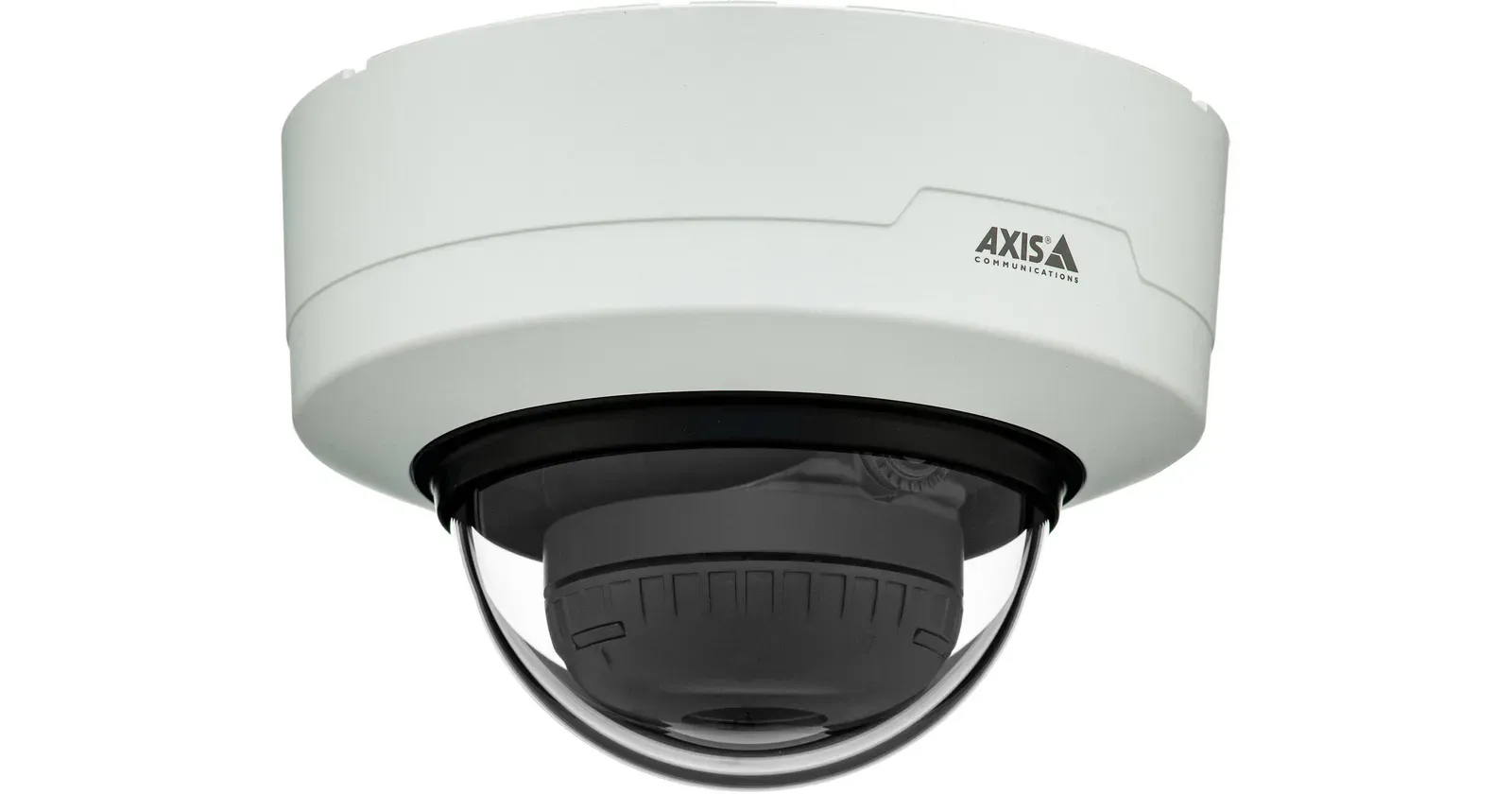
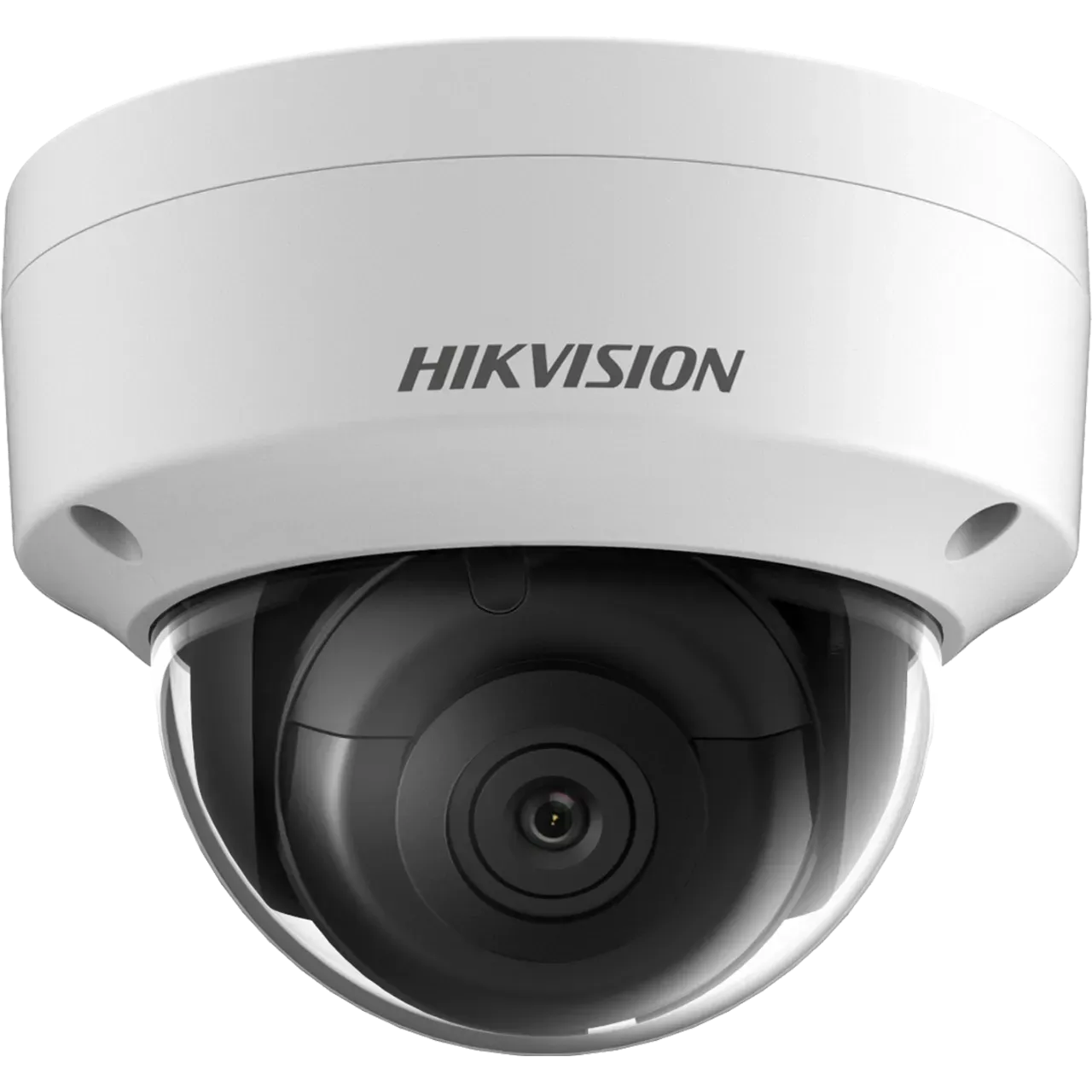
Hardware: ONVIF/IP cameras, NVRs, VMS appliances, thermal perimeter nodes. Flagship Devices: Axis P3265-V Dome Camera, Hikvision DS-2CD2143G0-I. Technical Match: Ethernet (PoE), 100% HTTP/HTTPS GUIs, ONVIF/RTSP interfaces. Operational Churn: Moderate-to-High. Relentless firmware vulnerability patching (NDAA compliance/CVE mitigation), credential rotation enforcement, retention policy adjustments, network re-IPing.
Why RG Wins: Surveillance is where fleet scale and network isolation collide hardest. Fleets run 50–1,000+ nodes per site, deliberately quarantined on dedicated camera VLANs with no internet route — a security best practice that simultaneously makes centralized management nearly impossible. Meanwhile the patching pressure is relentless: Hikvision and Dahua CVEs land continuously, NDAA and insurance requirements mandate documented remediation, and unpatched cameras are the single most common enterprise botnet entry point. The RG Bridge appliance resolves the contradiction: one hardened box inside the camera VLAN, one outbound-only encrypted channel out, and the entire isolated fleet becomes manageable without opening a single inbound port on the customer's enterprise router. For MSPs this compounds — hundreds of customer sites under one dashboard, with RG's tenant isolation enforced at the query, audit, and resource layers so customer A's operator can never enumerate customer B's cameras (cross-tenant lookups return "not found," not "forbidden"). Staged, checksummed, auto-rollback firmware campaigns across mixed Hikvision/Axis/Dahua fleets replace what is today a spreadsheet, a VPN concentrator, and a prayer. And the audit trail — actor, target, before/after values on every credential rotation and config change — is exactly what compliance reviews and cyber-insurance audits demand and current camera tooling can't produce.
4. Maritime & Satellite-Connected Transportation Infrastructure
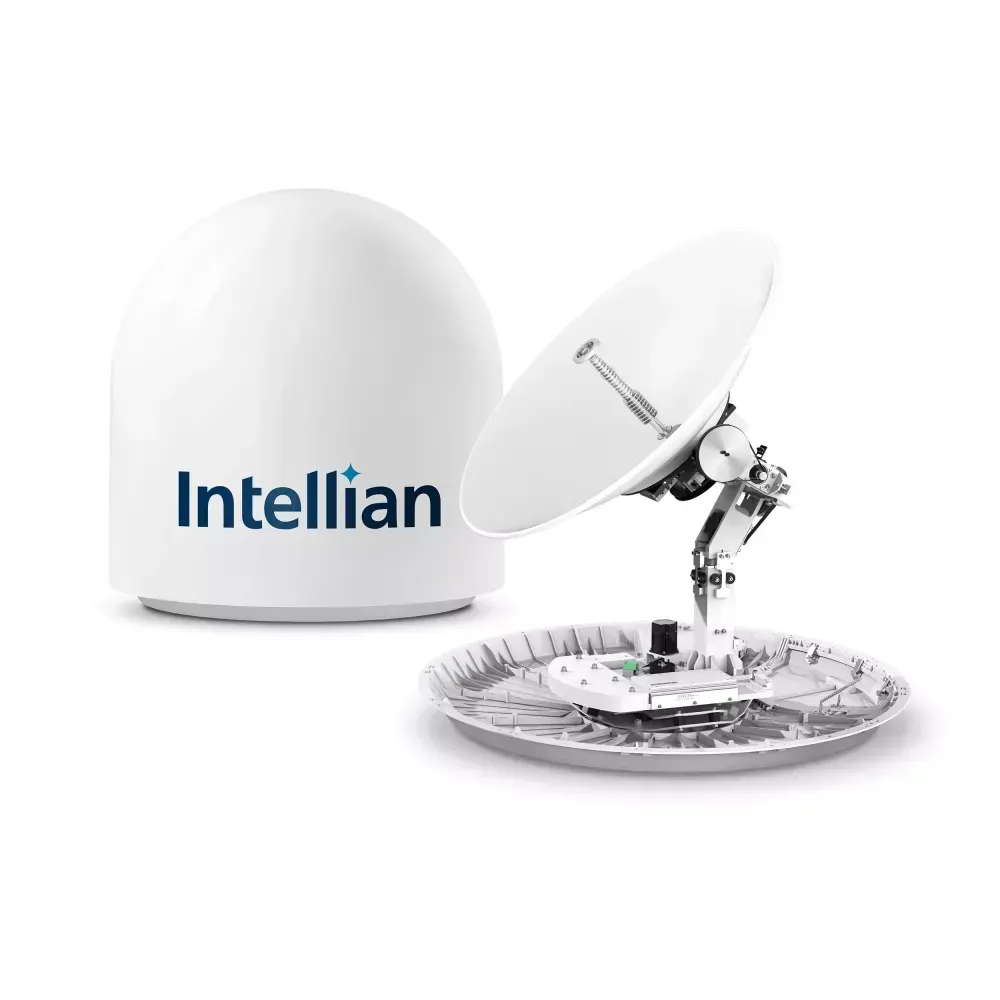
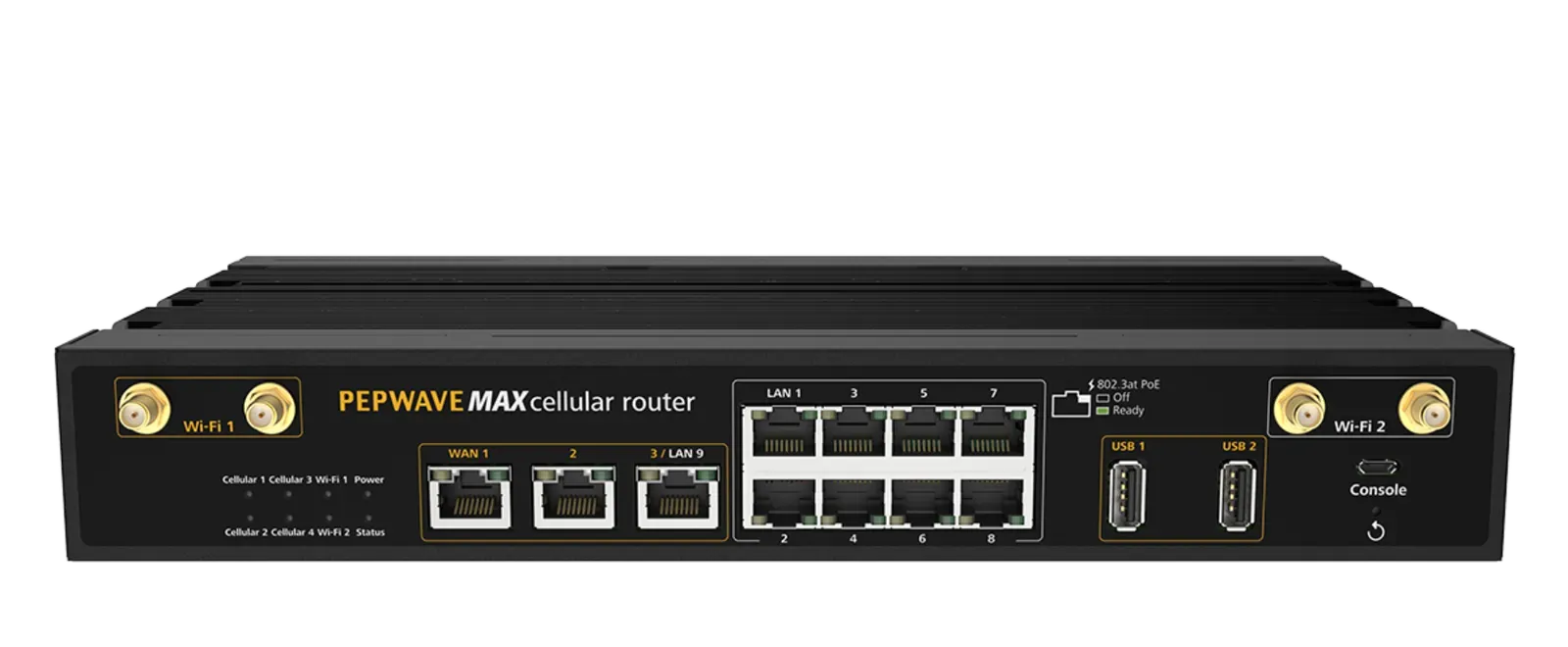
Hardware: Marine IP camera systems, satellite communication gateways, vessel telemetry nodes, onboard AV distribution systems. Flagship Devices: Intellian v100NX VSAT Terminal, Peplink MAX HD4 MBX. Technical Match: Ethernet-connected onboard LANs, local HTTP web frontends. Operational Churn: High per voyage/charter. Stream bitrate tweaks to match variable SATCOM bandwidth, stream destination changes, network configuration adjustments, user access updates.
Why RG Wins: A vessel is the pathological network case: double or triple CGNAT (Starlink behind maritime LTE behind a bonding router), IP addresses that change with every satellite handoff, bandwidth that swings by an order of magnitude between port and open ocean, and multi-second latency on VSAT. Inbound access isn't difficult here — it's structurally impossible, and a field visit means waiting for the next port call. RG's architecture matches this reality point for point: the persistent reverse tunnel re-establishes itself with exponential backoff through every provider handoff and IP change, so the shore-side operations desk never loses the vessel just because the vessel changed carriers mid-crossing. Pull-based control signals mean configuration changes queue gracefully through connectivity gaps and apply atomically when the link returns — no half-applied config on a ship you can't physically reach for three weeks. When SATCOM bandwidth drops, operators remotely retune encoder bitrates through the same channel to keep the stream alive instead of losing it. And because one Bridge appliance on the vessel LAN fronts every onboard device — cameras, SATCOM terminals, AV distribution, telemetry — the fleet manager onshore sees the whole vessel as a managed site, not a collection of unreachable boxes behind an unknowable NAT stack.
5. Pro AV, Audio-over-IP & IP Intercoms
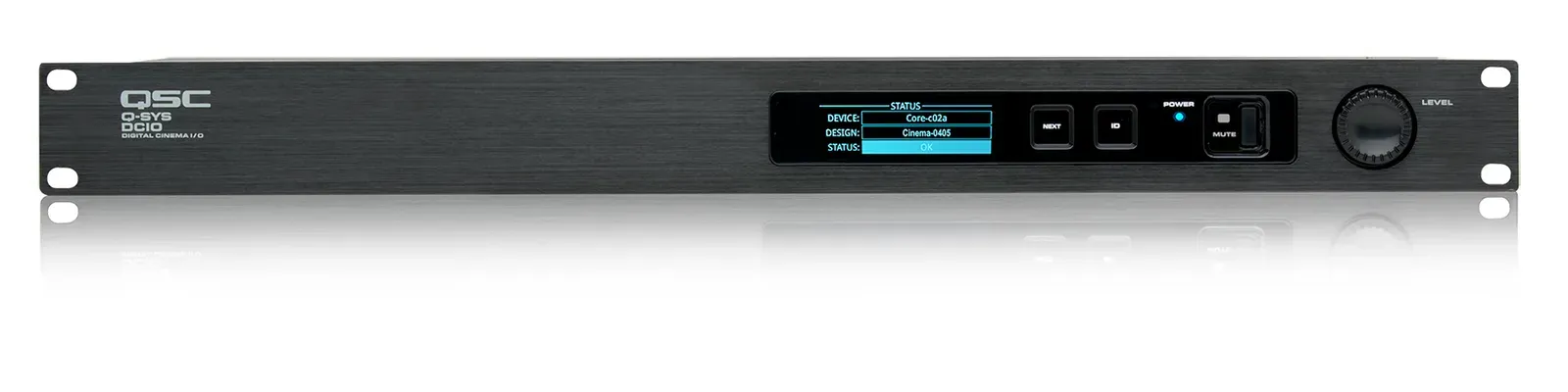
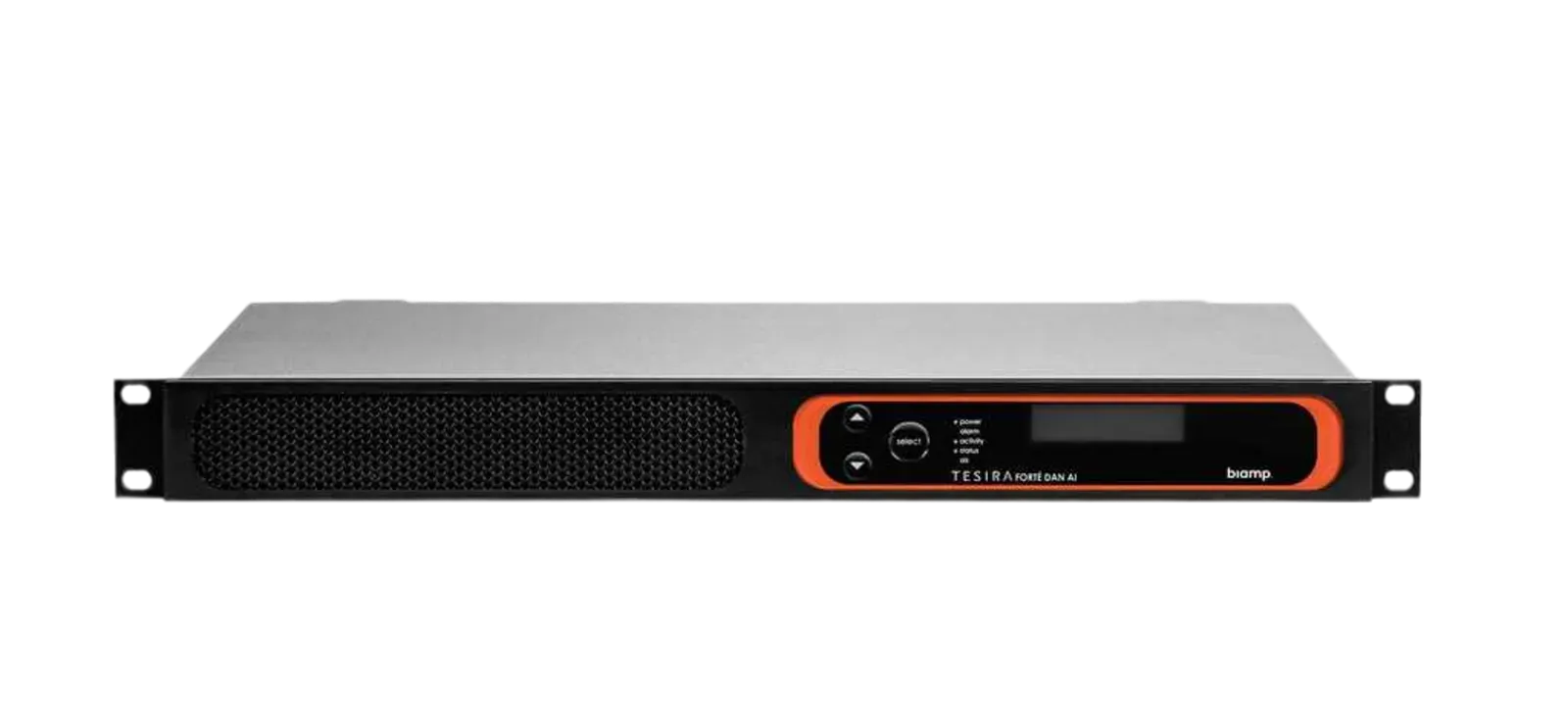
Hardware: Dante/AES67 endpoints, DSPs, Clear-Com/RTS IP intercom panels, AV-over-IP matrix nodes. Flagship Devices: QSC Q-SYS Core 110f, Biamp TesiraFORTE DAN AI. Technical Match: Ethernet-native. Web GUIs standard across modern DSPs and intercom panels. Operational Churn: High seasonal/event churn. Channel routing, gain staging profiles, room reconfigurations, event-based intercom assignments.
Why RG Wins: Pro AV's fragmentation is worse than surveillance's because it's fragmented per layer, not just per vendor: Dante Controller for routing, Q-SYS Designer for one DSP family, Tesira software for another, a separate web GUI per intercom panel — a single conference floor can require five tools and five credential sets to service. Worse, most of these tools assume the technician is on the local AV VLAN, which lives inside a corporate or venue network that integrators can't reach after handover. So today, "adjust the gain structure in meeting room 4B" means either a scheduled site visit or begging corporate IT for VPN access per engagement. RG collapses this: the adapter layer normalizes common operations (routing, presets, levels, firmware) into one schema across vendors, while the tunneled native web GUI remains available for deep DSP tuning that will never fit a unified model — both gated by the same RBAC and logged in the same audit trail. Per-cluster role overrides map exactly to how AV integrators actually operate: viewer by default on every customer site, elevated to operator on the one site with an open ticket, downgraded when it closes. Seasonal venue reconfigurations — festival season, conference season, semester changes — go from a road trip across sites to a batch operation from the desk.
6. Access Control & Building Entry Systems
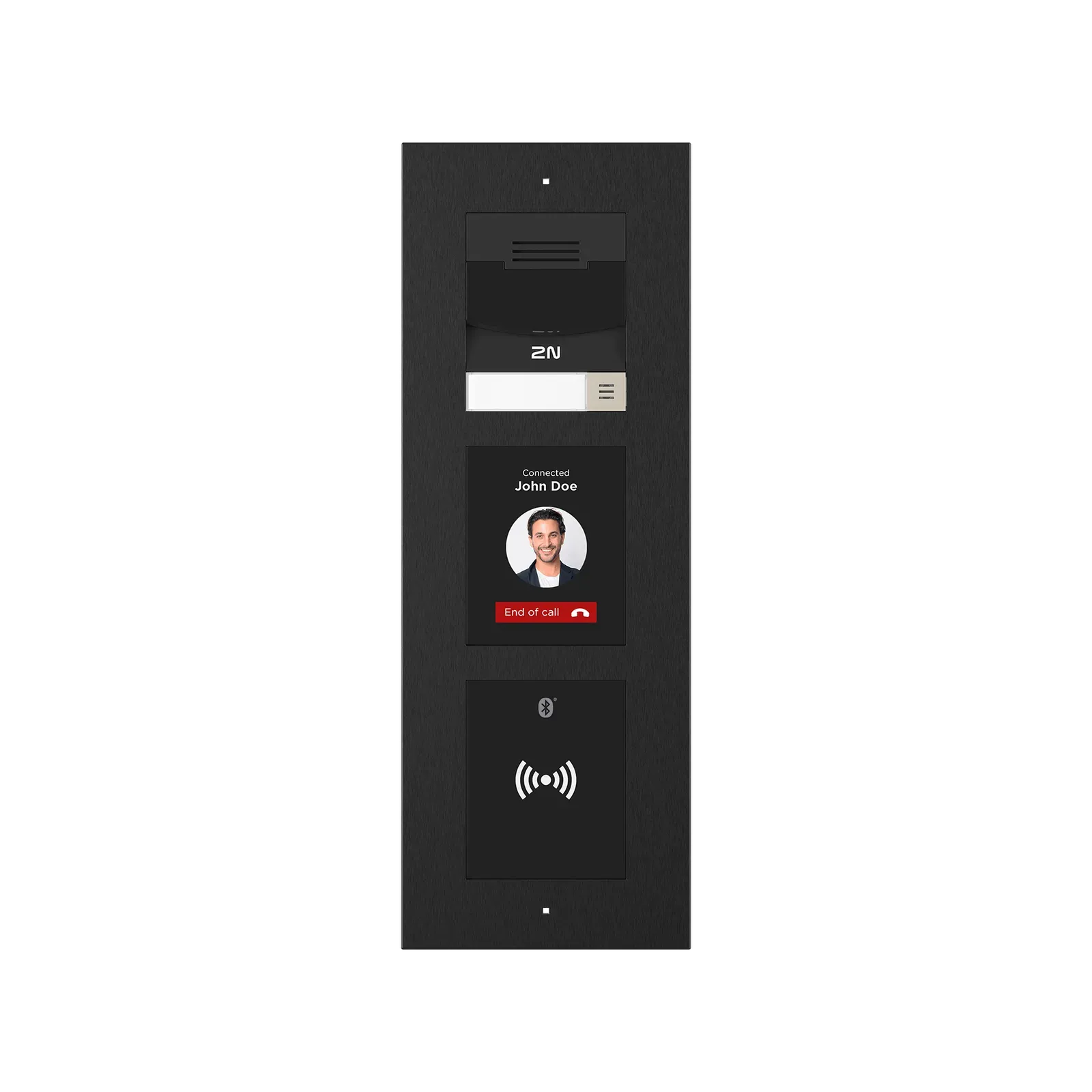
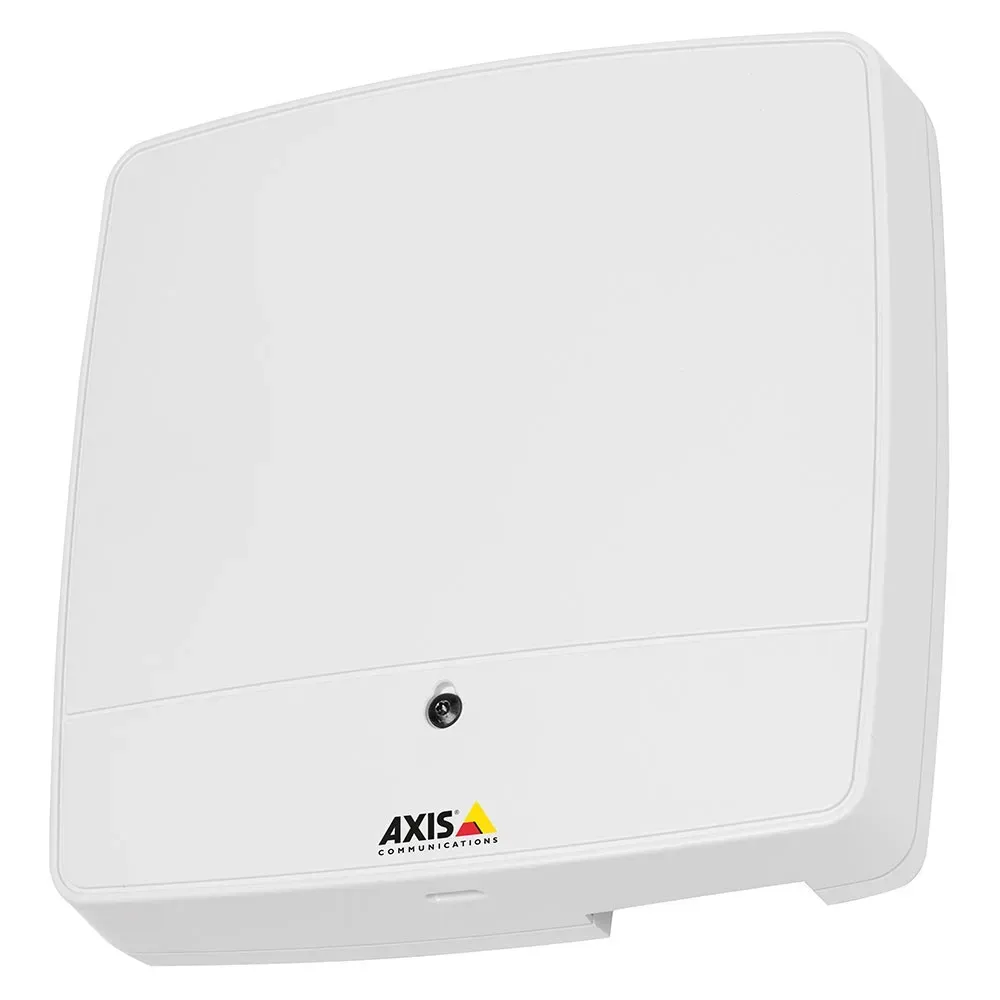
Hardware: IP door controllers, video door stations, elevator access gateways. Flagship Devices: 2N IP Verso, Axis A1001 Network Door Controller. Technical Match: PoE Ethernet, standard local web HTTP GUIs and REST APIs. Operational Churn: Moderate. High tenant turnover in commercial and residential real estate drives frequent credential updates, SIP routing adjustments, time-profile changes.
Why RG Wins: The buyer here — a property manager or security integrator — is structurally locked out of the network their devices live on. Building IT (or the landlord's outsourced IT) categorically refuses inbound port-forwarding for door hardware, and they're right to: internet-exposed door controllers are a standing item in pen-test reports. The current workarounds are all bad — site visits per tenant change, a consumer-grade router with a hole in it, or surrendering to the vendor's own cloud (My2N, Akuvox Cloud), which locks the integrator into one hardware brand and puts a third party in the trust chain for physical entry. RG threads this: outbound-only connectivity satisfies building IT's zero-inbound policy verbatim, the integrator keeps mixed 2N/Axis/Akuvox estates under one control plane, and every credential change, time-profile edit, and SIP routing update lands in an audit trail with actor and before/after values — which matters intensely when the question is "who granted this fob access to the server room, and when." Tenant turnover, the industry's core churn driver, becomes a same-day remote operation instead of a scheduled visit. And for integrators serving many buildings, RG's multi-tenancy means one dashboard across every property with strict per-customer isolation, instead of one VPN profile per site.
7. Managed Retail Edge Infrastructure & POS Communication Systems
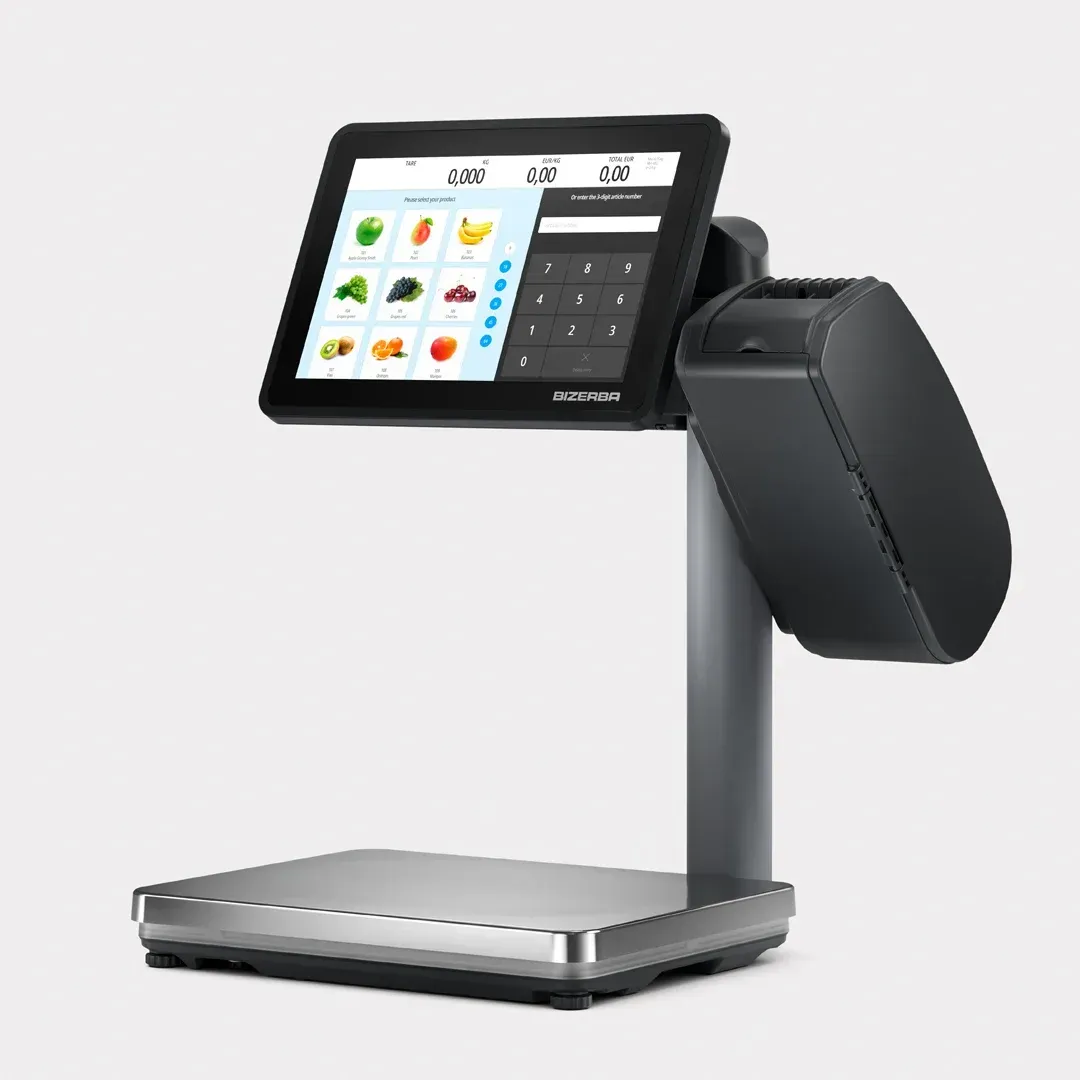
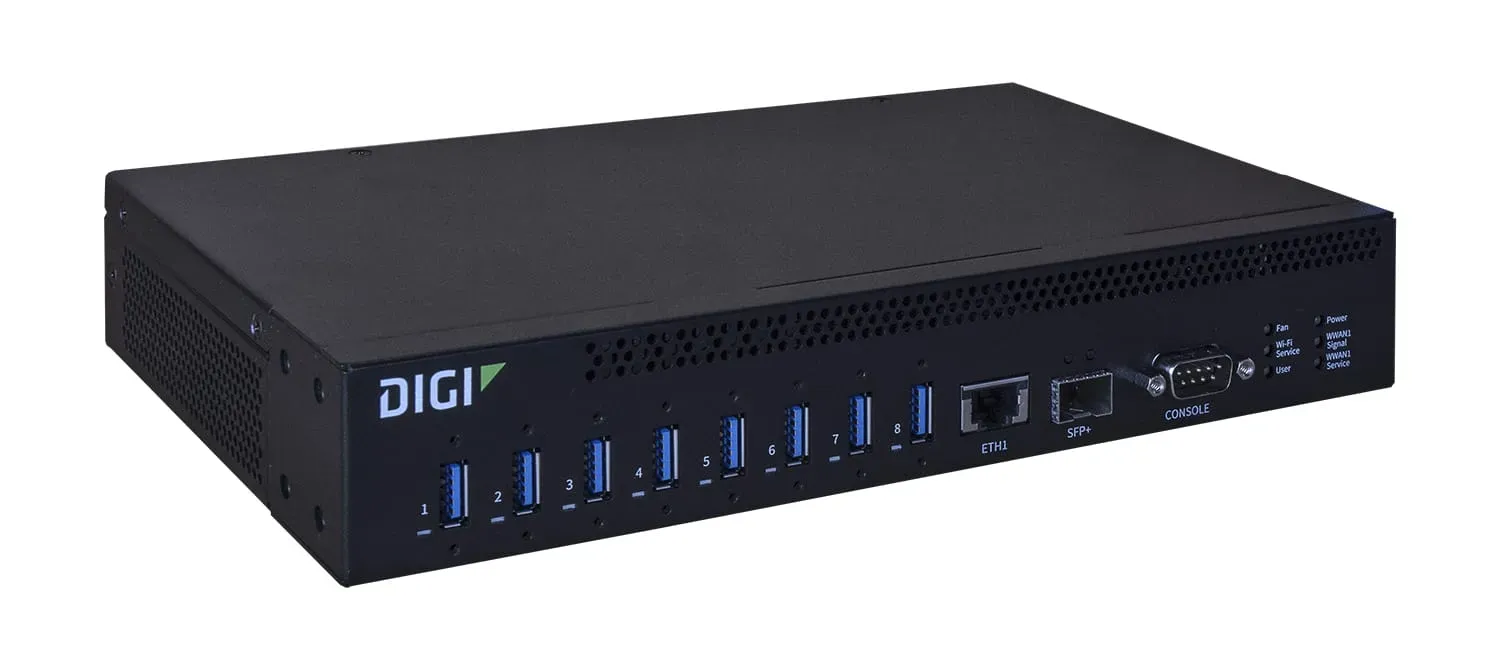
Hardware: Store-level edge servers, smart scale gateways, network print servers, POS communications hardware. Flagship Devices: Bizerba K-Class II Smart Scale, Digi AnywhereUSB Plus. Technical Match: Ethernet, embedded local HTTP administration backends. Operational Churn: Moderate. Network rule adjustments, firmware updates, batch configuration changes across multi-store chains.
Why RG Wins: Retail's defining property is multiplication: a configuration task that takes ten minutes on one device takes a quarter on a 500-store chain, and every store's back-office network sits behind corporate zero-inbound security policy with no local IT on site. When a smart scale drops off the network or a POS print server needs a firmware fix, the choices today are walking a store manager through a web GUI over the phone (slow, error-prone, and a PCI-scope headache) or dispatching a technician. RG's embedded agent or per-store Bridge gives central IT and retail MSPs direct remote access to every device's native administration backend without a single firewall exception — which is exactly the posture PCI-DSS assessors want to see documented. The fleet layer is where the economics land: batch configuration pushed as atomic bundles across all stores (no device stranded half-configured mid-rollout), staged firmware campaigns gated by store cohort, and drift detection that flags the one store whose scale config silently diverged before it corrupts pricing data. Chain-wide changes — a network re-segmentation, a price-unit regulation change, a POS platform migration — compress from a multi-week technician tour into an afternoon from headquarters.
8. Industrial & Enterprise Cellular CPE
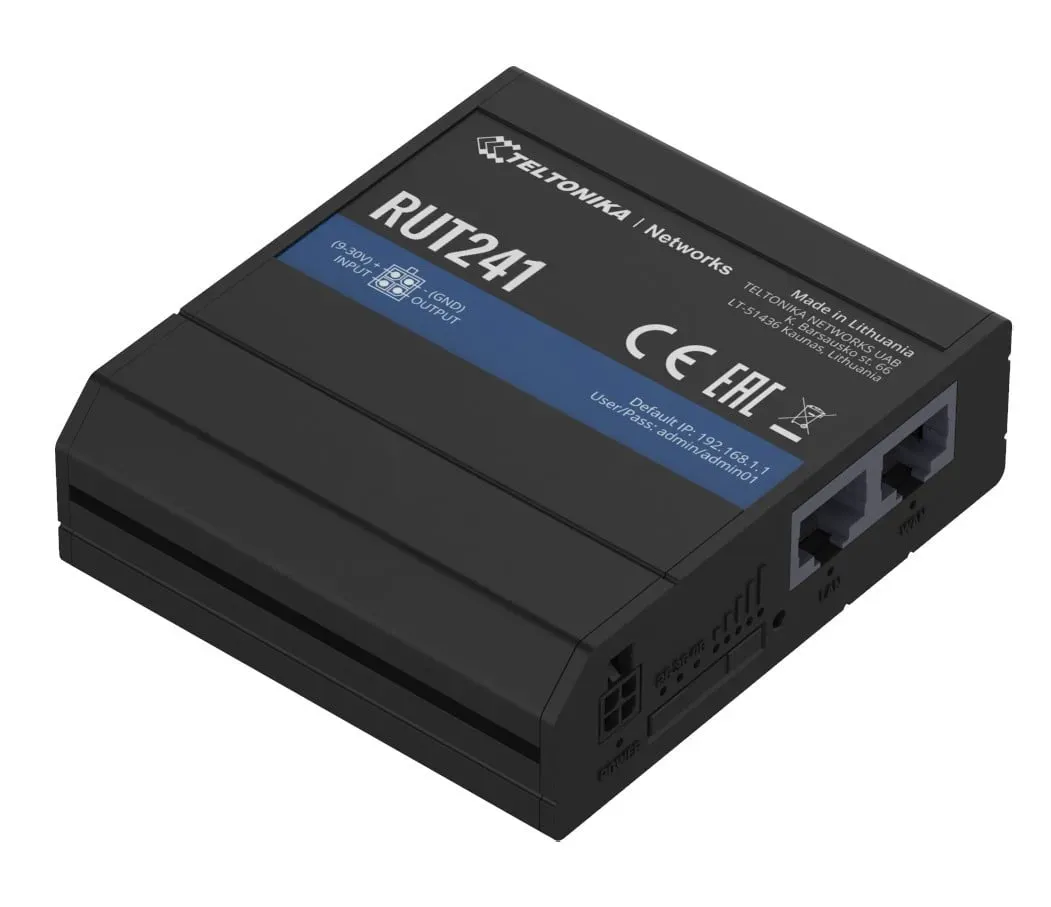
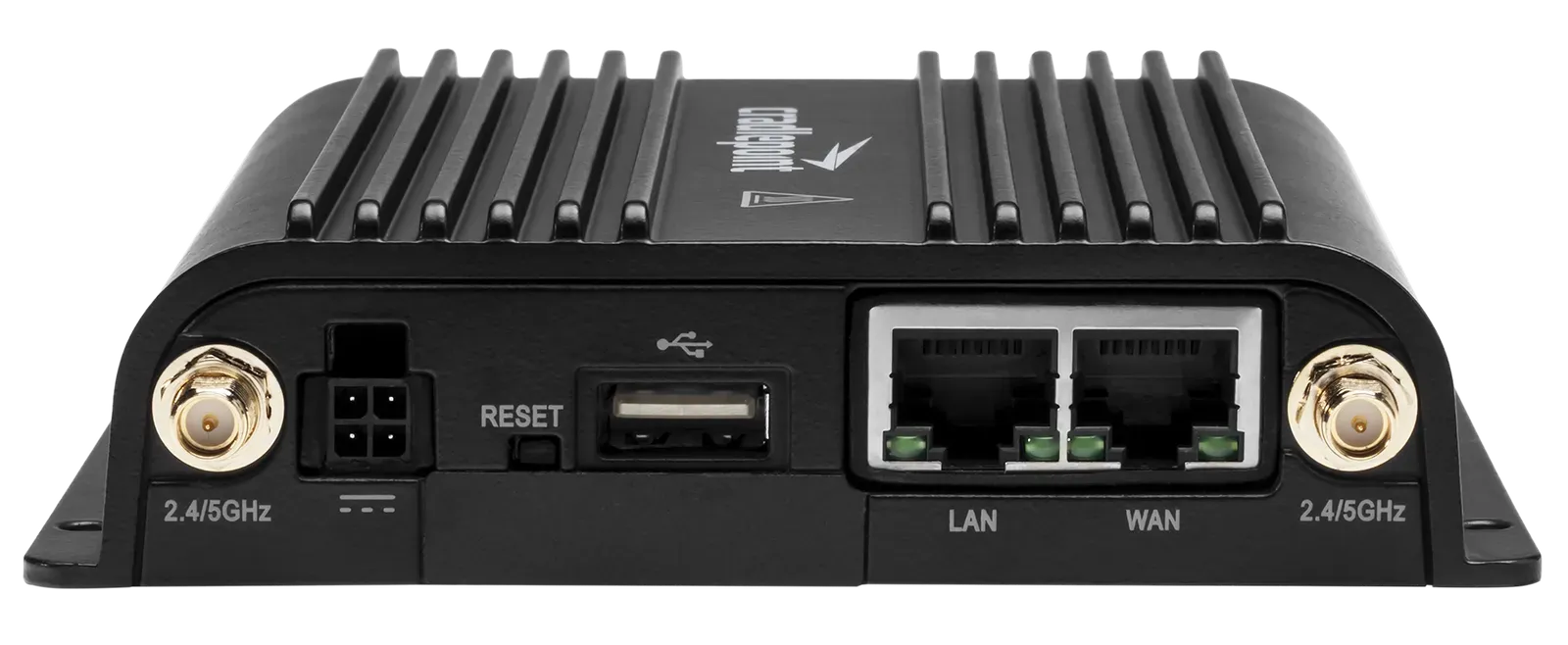
Hardware: Industrial 4G/5G edge routers, managed field switches. Flagship Devices: Teltonika RUT241, Cradlepoint IBR900. Technical Match: 100% Ethernet. Local HTTP GUI (LuCI/custom WebUI). Operational Churn: Moderate. VLAN modifications, APN changes, VPN updates, firewall rule tweaking.
Why RG Wins: This market is crowded — Teltonika RMS and Cradlepoint NetCloud are competent — but each vendor cloud manages exactly one vendor, and real fleets are never one vendor. An operator running Teltonika at metering sites, Cradlepoint in vehicles, and Robustel in legacy kiosks pays three subscriptions, trains staff on three consoles, maintains three audit trails, and reconciles three permission models. RG's pitch is consolidation with an exit path: one canonical schema across the mix via adapters, tunneled native LuCI/WebUI access for anything vendor-specific, and — decisively for a subset of buyers vendor clouds can't touch at any price — genuine air-gapped operation for defense, utility, and critical-infrastructure networks where "your router phones the vendor's cloud" is disqualifying by policy. There's also a quiet risk angle: vendor clouds are single points of failure and single points of trust for the entire fleet (the industry has watched RMM-platform compromises turn management planes into attack vectors), whereas RG's customer-scoped clusters keep the blast radius under the customer's own control. RG doesn't win where a homogeneous Teltonika fleet is happy on RMS; it wins wherever the fleet is mixed, sovereign, or both.
9. EV Charging Infrastructure & Commercial Energy Systems
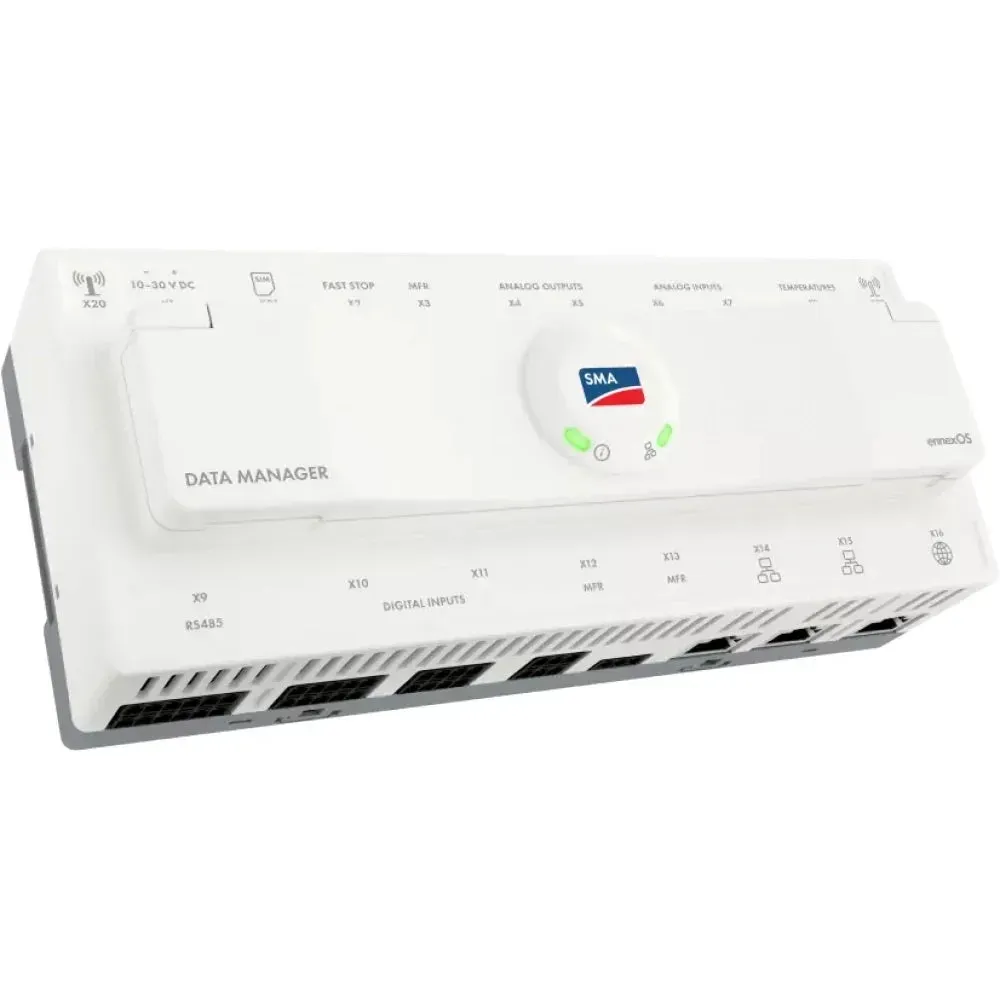
Hardware: Commercial EV chargers (DC fast chargers), solar dataloggers, microgrid controllers. Flagship Devices: ABB Terra 54 DC Fast Charger, SMA Data Manager M. Technical Match: Ethernet/Cellular, local web setup interfaces. Operational Churn: Low-to-Moderate. Tariff updates, firmware updates, network parameter changes (a few times per year).
Why RG Wins: OCPP solved charging transactions; it did not solve the hardware underneath. When a DC fast charger faults, the OCPP backend shows "unavailable" — the actual diagnosis (power module fault codes, raw logs, board-level network config, firmware state) lives in the charger's local service web interface, reachable today only by a technician on site with a laptop. With truck rolls to remote highway chargers commonly running 300–800 € and CPO margins already thin, every remote-resolved fault is direct money. RG gives CPO NOC engineers the charger's local GUI over the outbound tunnel through cellular CGNAT — pull logs, read fault codes, adjust network parameters, verify a fix — before deciding whether a dispatch is needed at all, converting a large share of visits into desk work. The same applies to solar: SMA/Fronius portals cover monitoring, but grid-parameter updates (grid codes change; EU regulators mandate reconfiguration of fielded inverters) and commissioning-level settings require the local interface. RG's fleet mechanics — staged, checksummed, auto-rollback firmware campaigns across mixed charger vendors — matter increasingly as EU regulation (AFIR uptime requirements, Eichrecht calibration compliance) makes "we'll patch it eventually" legally untenable. Lower churn keeps this mid-table, but the per-incident savings are the largest on the list.

10. Medical & Laboratory Diagnostic Instruments
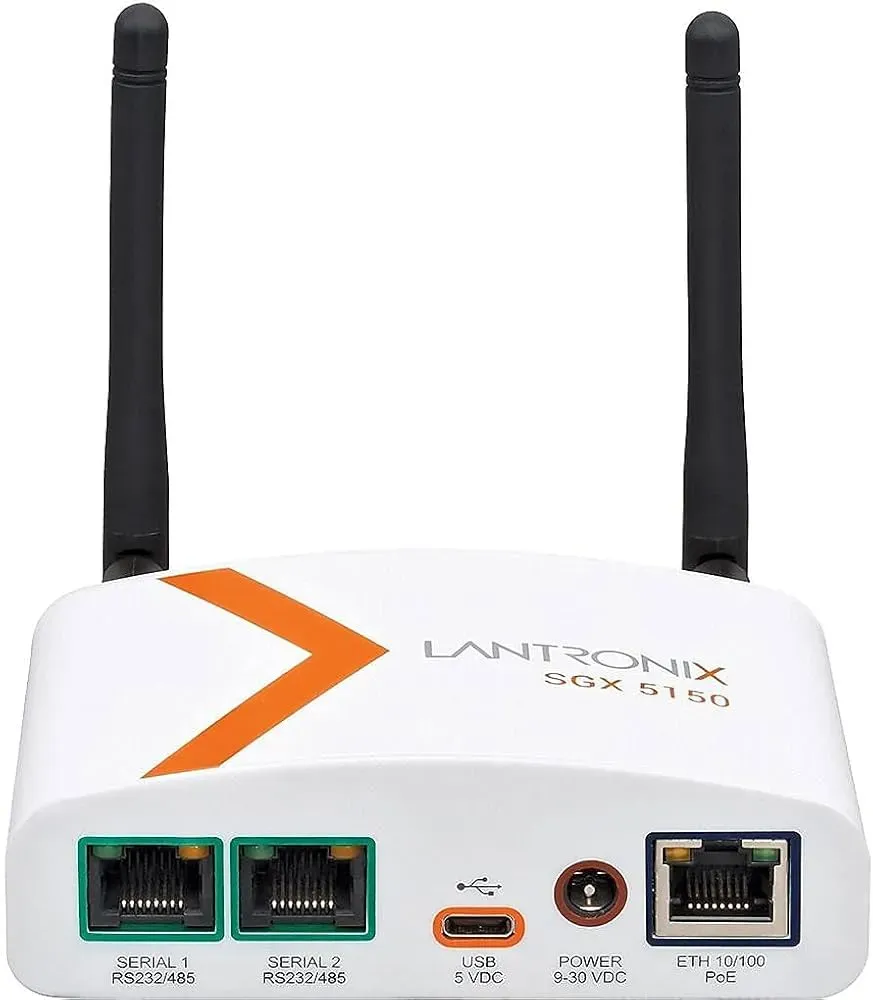
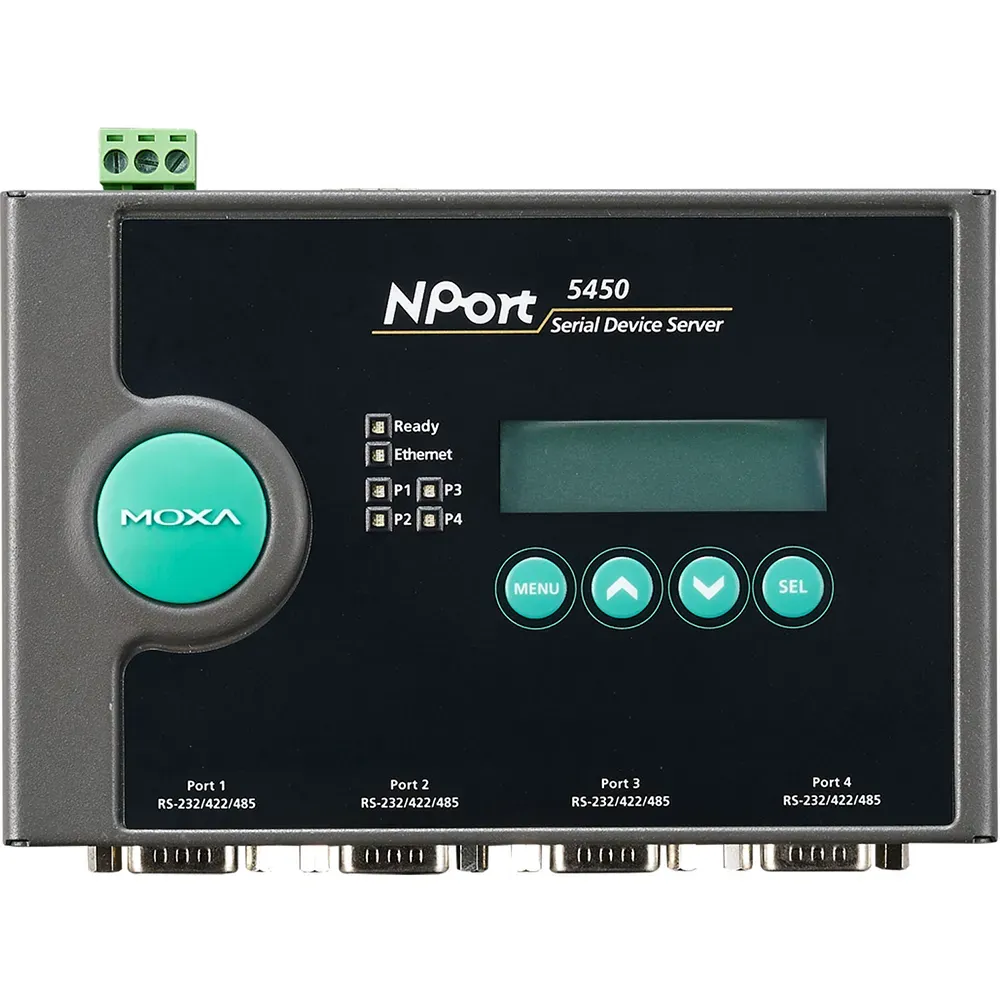
Hardware: Network-connected lab analyzers, DICOM gateways, medical imaging peripherals. Flagship Devices: Lantronix SGX 5150 IoT Gateway, Moxa NPort 5450I. Technical Match: Ethernet, embedded web GUIs. Operational Churn: Low. Configuration changes are strictly controlled and infrequent.
Why RG Wins: Healthcare networks are the most locked-down environment on this list — clinical VLANs are segmented to the point of being functionally air-gapped, and hospital IT will never open inbound access to a device that touches patient data. That posture is precisely RG's native habitat: the Bridge appliance operates inside the clinical segment with outbound-only connectivity, and for genuinely isolated networks, the air-gapped cluster mode delivers full local management — identity, RBAC, audit — with zero external uplink, something cloud-first device platforms cannot offer at all. The audit story is the second genuine hook: IEC 62304-adjacent processes and MDR post-market surveillance demand documented, attributable change control on connected devices, and RG's transactional audit with before/after values is that documentation, produced automatically. What holds the rank down isn't fit — it's velocity: every remote-configuration workflow on a regulated device must pass the manufacturer's and often the hospital's validation process, sales cycles run 12–24 months, and change frequency is low by design. The realistic wedge is the periphery — connectivity gateways (the Lantronix/Moxa class above), DICOM routers, lab middleware boxes — which carry lighter regulatory weight than the analyzers themselves, live on the same unreachable VLANs, and let RG establish presence while the longer clinical validation cycles run.